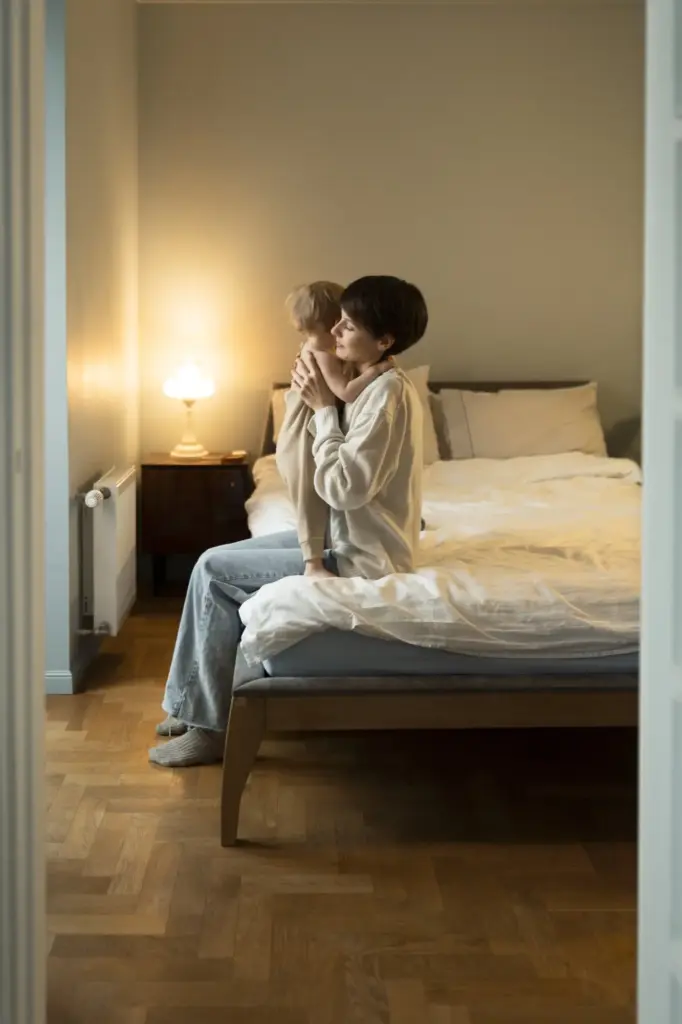
Rise Gently, Unwind Deeply in Compact Homes

Today we explore designing morning and evening ritual zones in compact homes, translating limited square footage into intentional pockets that spark energy at sunrise and invite softness at dusk. Expect lighting strategies, micro-layouts, sensory cues, and behavior-friendly details you can try tonight. Share your questions or wins, subscribe for weekly ideas, and join a community that believes small spaces can hold big rhythms, peaceful routines, and daily moments that feel wonderfully yours.

Map the Day Before You Move a Chair

Begin by tracing how your mornings ignite and evenings release tension, noticing traffic lines from bed to kettle, shower to desk, window to sofa. Observe sun paths, drafty corners, outlet placement, and door swings. Sketch these flows with honesty. Small homes thrive when rituals meet reality: the mug goes where you actually reach, the mat rolls out where your body already stretches, and light lands where your face greets the day instead of fighting shadows.

Morning Energy Anchors that Don’t Jolt

Mornings require alertness without aggression, brightness without headache, and clarity without clutter. Favor cooler white task light directed toward surfaces, not pupils. Stage essentials in a tidy reach zone, keeping movement linear and decisive. Citrus or peppermint scent can lift focus, while a vertical mirror near natural light dignifies your posture. Think ritual choreography: one graceful sweep from hydration to stretch to nourishment, minimizing rummaging, maximizing oxygen, and protecting your first twenty minutes from decision fatigue.

Light That Wakes with Kindness

Expose your face to ample, indirect brightness within an hour of waking, using a lamp with a cooler setting aimed at tasks rather than eyes. Open blinds partially to create gradients, not glare. If windows are scarce, bounce light off a wall to expand perceived space. Gentle illumination cues the brain toward focus, stabilizes circadian timing, and lets you greet the day feeling clear, not stunned or squinting.

Surfaces and Tools for Swift Starts

Create a narrow, efficient surface that holds only what earns its keep: water, mug, scoop, journal, and one pen. A fold-down shelf or rail-mounted tray opens for action and closes to vanish. Use a slim magnetic strip for teaspoons, label jars for speed, and keep a microfiber cloth nearby. Every motion becomes a practiced reach, turning tiny square inches into a reliable launchpad that never argues back.

Evening Sanctuaries that Soothe on Cue

Evenings ask for warmth, slower cadence, and gentle boundaries between screens and sleep. Favor amber, dimmable light directed downward, layer textures that calm the skin, and reduce sparkle that overheats the eyes. Offer rituals that close loops—tidy a tray, steep tea, write a sentence—so the brain stops whirring. Protect darkness with heavier curtains, mute hard echoes with fabric, and choose a scent that whispers calm. A predictable wind-down becomes your softest discipline.

Lighting that Respects Melatonin

Shift to warmer tones and lower intensity two hours before bed. Use a shaded lamp or wall sconce that paints light onto surfaces, not ceilings, and keep task light tight if reading. Consider amber filters for devices or, better yet, move charging to another room. When light behaves kindly, your body recognizes the invitation to slow, making restfulness a practiced, physical memory rather than a nightly negotiation.

Textures, Temperature, and Quiet Corners

Soften echoes with a rug under the sitting spot, drape a breathable throw across the lap zone, and choose natural fibers that don’t trap heat. A small fan’s white noise can calm, while a door sweep hushes hallway sounds. Keep a ceramic cup warm to the touch and a book within reach. When the senses land on steadier ground, thoughts stop sprinting and the room remembers how to hold you.

Objects that Signal Closure

Curate a few closing cues: a match and candle for a single flame, an analog clock to resist doom-scrolling, a lidded basket that swallows cords, and a small tray that receives the day’s last pocket debris. Repeat the same gestures nightly. These tactile sentences tell your nervous system, gently and clearly, that you are safe to power down, making sleep less accident and more invitation faithfully accepted.

Fold, Slide, and Stow without Fuss

Install a wall-mounted drop-leaf that becomes a prep surface at dawn and a closed plane by night. Use under-sofa bins for mats and props, and a slim rail to park stools vertically. Put morning gear in front-facing containers and evening comforts behind, then swap quarterly. When storage honors direction and timing, transitions shrink from ten fussy minutes to one calm gesture you can trust on any weekday.

Scene Switching with a Single Gesture

Create a morning light scene and an evening one using simple, labeled switches or smart plugs, so your fingers memorize the move. Keep a caddy that swaps roles: front pocket holds coffee scoop by day, tea infuser by night. A single cloth flips from drying cups to cushioning a candle. The fewer choices you face, the more reliable the ritual becomes, protecting energy for what matters.

Boundaries without Building Walls

Mark zones with a rug edge, a portable screen, or a curtain that glides silently. A different scent note at night creates invisible thresholds without stealing inches. Angle a chair five degrees toward a window at dawn, five degrees inward at night. Minor shifts cue the brain that mode has changed. Psychological boundaries matter most in tight quarters, turning one room into many without a renovation budget.

Design with Senses, Science, and Story

Let research, memory, and emotion guide decisions. Morning brightness regulates circadian timing, while evening warmth invites melatonin. Textures calm sympathetic arousal; scent tethers habits. When Lina downsized to a tiny Lisbon studio, a single wall lamp, linen curtain, and mint diffuser restored evenings. Share your experiments below. Your stories refine these ideas, helping others honor their bodies’ rhythms inside beautifully modest square meters.

Color Psychology and Material Honesty

Choose quieter hues for night-facing corners—dusty olives, clay pinks, deep blues—and livelier, cleaner tones where mornings begin. Matte finishes reduce glare in small rooms, while light woods reflect softly. Avoid finishes that shout. Let materials age gracefully: cork underfoot, linen at the window, unvarnished oak on touchpoints. When colors and textures harmonize with intention, your smallest corner starts speaking the language of steadiness and renewal.

Soundscapes that Support Intention

Treat the room like an instrument. Add felt under trays, pads under chair legs, and a soft runner along the morning route. If neighbors are lively, use a door sweep and thicker curtains to tame edges. A tiny tabletop fountain or gentle playlist can mask harsh city patterns. Quiet isn’t only silence; it’s pattern control, letting morning concentration focus and evening calm linger long enough to truly arrive.

Scent and Breath as Subtle Cues

Use scent sparingly and consistently: citrus or rosemary to energize, lavender or cedar to soften. Pair aroma with breath rituals—a three-minute box breath at dawn, a longer nose-only exhale before bed. Ventilate briefly to refresh air, then seal drafts for temperature stability. When air feels intentional, lungs expand willingly, and the body understands that the room is collaborating, not competing, with your chosen pace.

Keep It Working: Reset, Share, and Evolve

Ritual zones gain power through repetition and gentle upkeep. Build a five-minute reset at lunch and night so spaces return to ready. Iterate seasonally as light shifts. If you share, design signals that respect others while protecting your rhythms. Track what leaves you clearer or calmer and adjust without drama. Your compact home becomes a living partner, reinforcing habits that carry you kindly from first yawn to last page.