Design Daily Rituals With Intelligent Home Scenes

Step into a home that nudges intentions into action. Today we explore Smart Home Scenes for Ritual Atmospheres: Tech-Enabled Habit Design, uniting lights, sound, scent, temperature, and gentle prompts so consistent routines feel inviting, meaningful, and delightfully repeatable, without discipline battles or decision fatigue. Expect practical recipes, behavioral insights, and playful experiments you can tailor to mornings, focus, exercise, and restful evenings while keeping privacy, consent, and creativity at the center of every choice you make.

Principles Of Ritual Atmosphere Design

Great habits become easier when the room whispers the next step before you think about it. Ritual atmospheres align cues, timing, and rewards so routines feel natural, not forced. By blending sensory anchors with tiny, reliable automations, you reduce friction, strengthen identity, and create moments that feel sacred without becoming stiff. Start with intention, translate it into sensory signatures, then choreograph gentle transitions that usher you across thresholds, from sleepy to alert, scattered to focused, or wound up to serene.

Tools And Materials For Atmospheres That Stick

You do not need an elaborate setup. Reliable bulbs, switches, and plugs form the backbone, with sensors and a friendly hub to coordinate timing. Matter compatibility reduces vendor lock-in and eases pairing. Add a diffuser for scent, a small speaker for soundscapes, and blackout or sheer blinds for light control. Prioritize failure tolerance and manual overrides, so routines keep working even when Wi‑Fi sulks. Choose tools that feel inviting in the hand and respectful to the eyes.

Choreographing Scenes That Guide Behavior

Morning Activation Without The Jolt

Start with a fifteen-minute light ramp from candle-warm to soft daylight, paired with blinds opening halfway and a kettle plug toggling on. A wake playlist at whisper volume fades up after two minutes, never first. If a sleep tracker marks a rough night, delay the ramp by ten minutes and extend the warm phase. End with a brief gratitude cue, perhaps a dot of light on the kitchen counter, inviting one thoughtful sentence before coffee.

Deep Work Focus You Can Actually Enter

At the desk, shift to cooler 4700K task lighting while dimming ambient spill to reduce visual noise. Trigger a website block on distracting domains, and start a ninety-minute timer visible but quiet. A diffuser drops a swift peppermint pulse, then rests. Headphones play neutral brown noise under thirty decibels. When the timer ends, lights warm slightly and a soft chime invites a five-minute stretch. The reset prevents tunnel fatigue while keeping momentum alive.

Evening Wind-Down That Honors Sleep

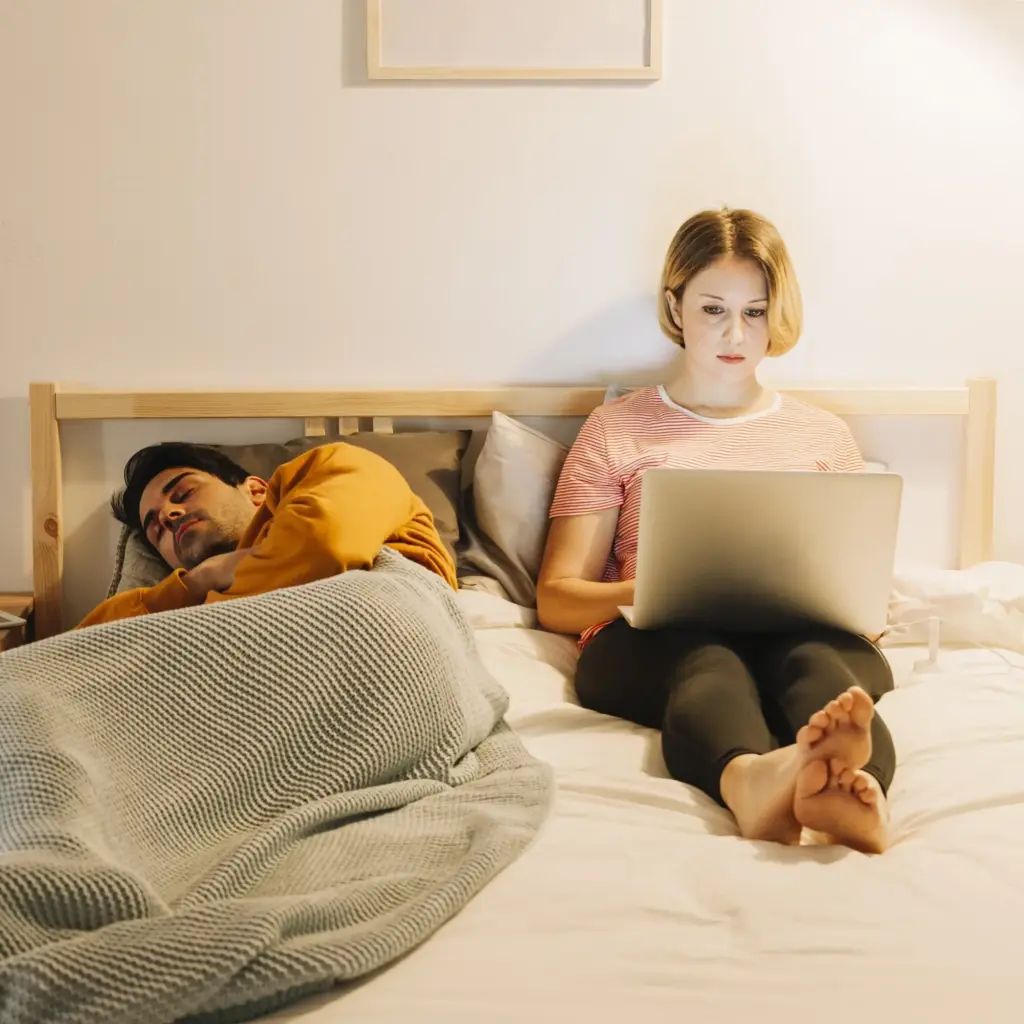
Two hours before bed, cap overhead brightness and move to lamplight below three hundred lux. Screens shift to extra-warm mode, while a tea scene toggles the kettle and dims counters. Music glides toward slower tempos, and the diffuser swaps to lavender with long pauses. A final cue, like twinkle LEDs by the bookshelf, encourages light reading. When you mark lights out, a bedroom fan establishes soothing consistency, signaling safety and easing the transition into deep rest.
Behavioral Design Meets Everyday Technology

Make the smallest useful scene and let reality teach you. Habit stacking places a new action beside a rock-solid existing one, so the path of least resistance works for you. Track streaks sparingly, favoring three-day recoveries over guilt. Use wearables and dashboards to notice energy patterns, not to judge. Automations should be forgiving: skip days without scolding, resume gently next time. The best validation is felt ease and reliable follow-through across changing weeks.

Ethics, Consent, And Care In Shared Spaces

Atmospheres affect everyone present, so the kindest setups are co-designed. Invite preferences about brightness, volume, scent, and timing. Offer opt-out routes, personal dimmers, and quiet signals that respect neurodiversity and shift work. Store only what you need, locally when possible, and explain automations in plain language. Make change logs visible so roommates or family understand what modified the room. Environments feel safer when participation is transparent, reversible, and attentive to comfort rather than winning arguments about optimization.

Consent-Led Collaboration

Run a short discovery session over tea. Ask what each person wants more of at home and what sensory triggers irritate them. Co-create a small menu of scenes with clear names and boundaries, including times they never run. Validate with a one-week trial and a shared feedback note. Adjust defaults to honor the most sensitive nervous system in the room. People embrace routines they helped shape, especially when comfort and autonomy are front and center.

Privacy And Data Hygiene

Prefer local voice processing and encrypted hubs. Disable unnecessary cloud histories, rotate access tokens, and label sensors transparently so no one feels surveilled. Keep retention short, and store only derived signals, like morning complete, instead of raw motion logs. Document who can change what and how to roll back. When privacy is part of the architecture, playfulness returns, because experimentation does not cost anyone their dignity or expose intimate rhythms to third parties by accident.

Sensory Health And Safety

Map thresholds before automating. Avoid high-lux glare at night, cap speaker volume under safe daily exposure, and confirm diffusers suit pets. Place heating mats with automatic shutoff and sensible timers. Provide a dark, quiet refuge scene for decompression. Test strobe-like effects when using rapid ramps to prevent discomfort. Safety-first design communicates care, making rituals feel like hospitality you extend to yourself and others, rather than an obstacle course of surprises disguised as productivity hacks.

Creative Recipes And Community Sharing
Start small, then remix boldly. Collect compact recipes you can swap across seasons, travels, and life shifts. Archive them as cards with intent, triggers, and sensory notes so future you can revive a favorite quickly. Share what worked and what flopped, because honest stories shorten everyone’s path. Invite readers to submit their best micro-rituals, subscribe for monthly scene bundles, and join live build-alongs where we prototype together and celebrate imperfect, joyful, steadily improving environments.